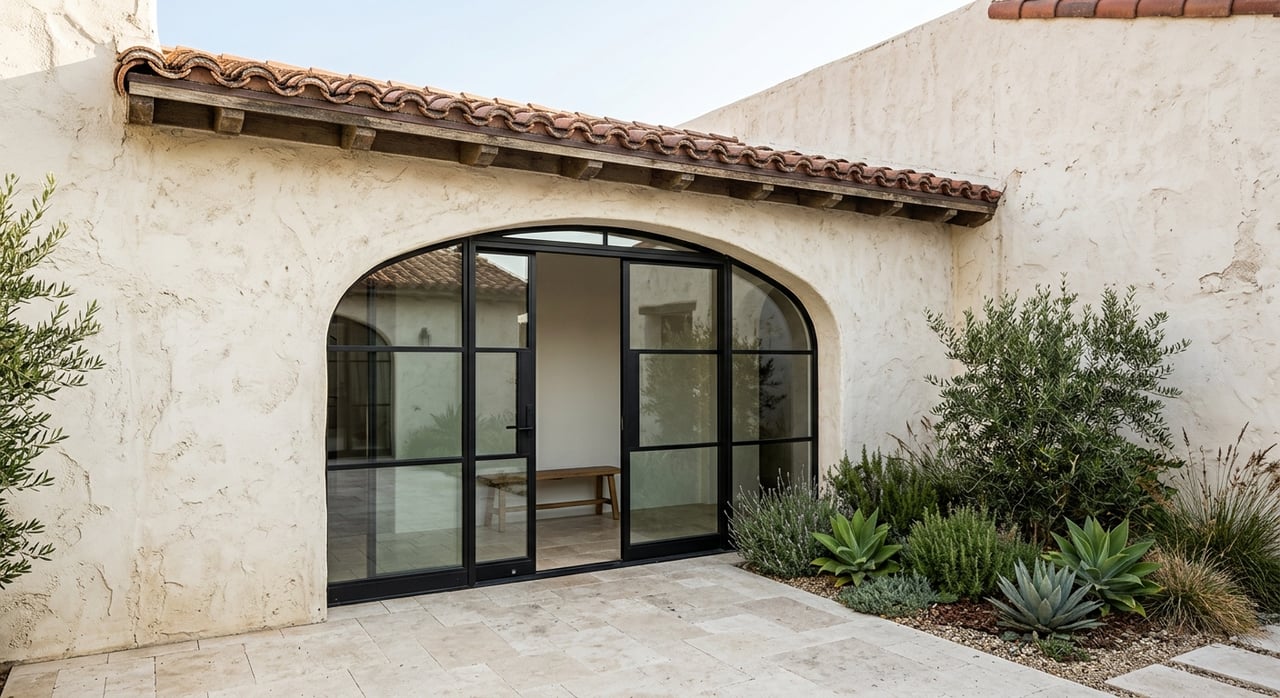
Looking at homes in Tustin can feel like choosing between two very different lifestyles. You may love the charm of a historic home, but also want the ease that often comes with newer construction. The good news is that Tustin gives you both options, and each can be a smart move depending on your goals. Here’s how to compare historic and newer homes in Tustin so you can decide with confidence.
Tustin Offers Two Distinct Home Paths
Tustin has a clear split between its older historic core and its newer planned areas. Old Town Tustin includes historic buildings dating back to the 1880s, while Tustin Legacy is a 1,600-acre former military base that is being redeveloped into a newer community.
The city’s 2021 Historic Resources Survey helps draw that line even more clearly. It covers historic properties through 1976 and excludes the Tustin Ranch and Tustin Legacy Specific Plan areas. In other words, when you compare historic versus newer homes in Tustin, you are often comparing two very different settings, planning styles, and ownership experiences.
What Historic Homes in Tustin Offer
Historic homes in Tustin are often tied to Old Town and nearby areas where architecture and individuality matter more than uniform design. The city highlights styles such as Queen Anne Victorian, Craftsman bungalow, Monterey, and Spanish Colonial Revival.
If you are drawn to homes with original details, varied facades, and a sense of place, this part of Tustin may stand out right away. These homes tend to offer character and scarcity, which can be appealing if you want something that feels truly one of a kind.
Character and architectural variety
One of the biggest advantages of a historic home is personality. In Old Town Tustin, homes and buildings reflect different eras and design styles rather than a single master plan.
That variety can make your home feel special in a way newer homes sometimes do not. Instead of standardization, you get craftsmanship, visual detail, and a setting shaped over time.
Walkability and established surroundings
The city describes Old Town as a cluster of historic buildings along Main Street and El Camino Real. For many buyers, that established setting is part of the appeal.
If you enjoy being in an area with long-standing streetscapes and local landmarks, a historic home may fit your lifestyle well. The appeal is often as much about the surroundings as the house itself.
Remodeling may involve more review
Historic charm can come with added rules. The city notes that special requirements apply to modifications of commercial and residential historic properties, and review tools such as style guides and Certificates of Appropriateness are used to evaluate whether proposed changes are compatible.
That does not mean updates are impossible. It does mean you should be prepared for more scrutiny if you want to remodel, build an addition, or make exterior changes.
What Newer Homes in Tustin Offer
Newer Tustin communities are usually shaped by specific plans and modern master planning. The city has nine specific plans governing land use, and Tustin Legacy is one of the clearest examples of this newer approach.
If you want a home designed around contemporary living, planned amenities, and a more predictable layout, newer communities may be the stronger fit. These homes often appeal to buyers who want convenience and a move-in-ready feel.
Modern planning and amenities
The city describes Tustin Legacy as a neighborhood system with a mix of styles and floor plans, plus walkability, parks, open spaces, and other modern amenities. Recent project pages also point to parks, promenades, mixed-use access, and objective design standards in newer development.
That planning can create a more streamlined day-to-day experience. If you value community design, newer public spaces, and contemporary neighborhood features, this can be a major plus.
Contemporary layouts and newer-code construction
Newer homes generally start from a more recent construction baseline. The California Energy Commission says the state’s Building Energy Efficiency Standards are part of Title 24 and apply to new construction, additions, and alterations, with updated standards issued every three years.
That matters because newer homes often reflect more current building and efficiency expectations from the start. While actual utility costs still depend on the home’s equipment and upgrades, newer construction usually begins with a more modern standard.
More predictable near-term maintenance
For many buyers, a newer home feels simpler to manage in the first few years of ownership. Systems, finishes, and structural components are more likely to have been installed at the same time rather than updated in stages over decades.
That does not mean a newer home is maintenance-free. It does mean you may face fewer immediate unknowns compared with an older property that has had multiple rounds of repairs or partial upgrades.
Maintenance Is One of the Biggest Decision Factors
When you compare historic and newer homes, maintenance deserves close attention. The California Department of Real Estate recommends checking electrical, plumbing, and structural integrity, hiring a qualified inspector, and budgeting for maintenance and unexpected repairs.
That advice matters for any purchase, but it becomes especially important with older homes. Age increases the odds that key systems have been updated over time instead of replaced all at once.
Older homes need deeper due diligence
If you are considering a historic home, ask detailed questions about repair history and past improvements. A home may have beautiful architecture and still need meaningful work behind the walls.
A careful inspection can help you understand whether the home has deferred maintenance or major systems nearing the end of their useful life. This is often where the real difference between “charming” and “costly” becomes clear.
Newer homes still need careful review
A newer property should also be inspected carefully. While the risk profile may be more predictable, buyers still need to review the condition of major systems, finishes, and any builder or community-related documents.
The key is not to assume newer automatically means perfect. It simply means the home may begin from a more recent construction and efficiency standard.
Monthly Costs Can Differ More Than You Expect
Your mortgage is only part of the monthly picture. The California Department of Real Estate advises buyers to check whether special taxes, assessments, or HOA dues will affect ongoing expenses.
This is especially important when comparing Tustin’s historic areas with its newer planned communities. The monthly carrying cost can look very different even when home prices are similar.
Historic homes may trade dues for repair costs
In many older areas, you may not have the same HOA structure found in planned developments. That can be appealing if you prefer fewer community fees.
At the same time, an older home may require a larger maintenance reserve. You may save on dues but spend more over time on upkeep, repairs, or historically compatible improvements.
Newer communities may include dues or assessments
In common-interest developments, the DRE notes that a public report is required when HOA dues apply. That report covers issues such as utilities, water, roads, zoning, use restrictions, hazards, and the financial arrangements for completing the subdivision.
Tustin Ranch also includes a landscape and lighting assessment district funded through annual special assessments on property tax bills. So even if a cost is not labeled as an HOA fee, newer planned areas can still come with recurring charges that affect your monthly budget.
How to Decide Which Home Fits You Best
The right answer usually comes down to how you want to live, what level of upkeep you can handle, and what kind of ownership experience feels comfortable to you. In Tustin, both historic and newer homes can make sense, but for different reasons.
A simple side-by-side comparison can help.
| If you value... | Historic Tustin homes may fit | Newer Tustin homes may fit |
|---|---|---|
| Architectural character | Strong fit | Moderate fit |
| A more standardized layout | Less likely | Strong fit |
| Walkable, established surroundings | Strong fit | Varies by community |
| Modern amenities and parks | Varies | Strong fit |
| Lower near-term repair risk | Less likely | More likely |
| Flexibility for exterior changes | May involve more review | Often more straightforward, subject to community rules |
| Predictable monthly costs | Varies | May include dues or assessments |
Historic homes may be right for you if
A historic home may be the better choice if you care most about character, location, and uniqueness. It can also be a strong fit if you are comfortable with more inspections, possible preservation review, and a larger repair budget.
These homes often appeal to buyers who want something hard to replicate. In long-term value terms, uniqueness and location can be powerful advantages when the property is well maintained.
Newer homes may be right for you if
A newer home may be the better fit if you want contemporary floor plans, newer-code construction, and amenity-rich surroundings. It can also make sense if you prefer a more turnkey ownership experience with fewer near-term repair surprises.
These homes often align with buyer demand for convenience and easier day-to-day living. In long-term value terms, that broad appeal can matter, especially when the home has been kept in strong condition.
Think Beyond Age Alone
A home’s age matters, but it should not be the only factor driving your decision. The strongest long-term performers are generally homes that are well maintained and aligned with buyer demand in their specific submarket.
In Tustin, historic homes can benefit from scarcity, architecture, and setting. Newer homes can benefit from lower near-term repair risk and strong appeal among buyers seeking modern living.
The smartest move is to compare not just old versus new, but also condition, costs, restrictions, and how each home supports your lifestyle. If you want expert guidance on choosing the right fit in Tustin, The O'Dell Group can help you evaluate the tradeoffs with clear local insight.
FAQs
How do historic homes in Tustin differ from newer homes in Tustin?
- Historic homes in Tustin, especially around Old Town, usually offer more architectural character and variety, while newer homes in areas like Tustin Legacy tend to offer modern layouts, planned amenities, and a more recent construction baseline.
What should you inspect when buying an older home in Tustin?
- The California Department of Real Estate recommends reviewing electrical, plumbing, and structural integrity, hiring a qualified inspector, and budgeting for maintenance and unexpected repairs.
Do historic homes in Tustin have remodeling restrictions?
- Yes, the city notes that special requirements can apply to changes to historic residential properties, and exterior work may be reviewed for compatibility through preservation-related processes.
Do newer Tustin communities have HOA fees or special assessments?
- Some do. Buyers should review whether HOA dues, special taxes, or assessment-district charges apply, since these can affect monthly carrying costs.
Are newer homes in Tustin more energy efficient?
- In general, newer homes often start from a more recent Title 24 energy-efficiency standard, though actual operating costs still depend on the home’s equipment, upgrades, and condition.